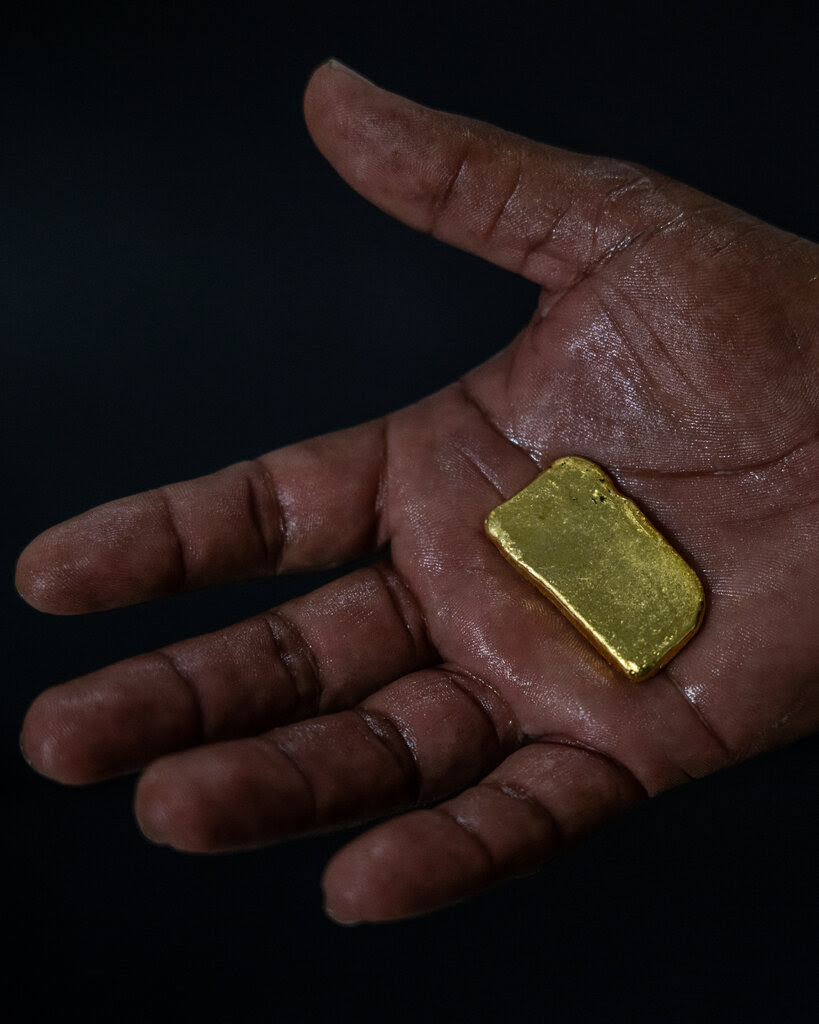
Image: Gold from a Colombian drug cartel mine. Federico Rios for The New York Times
By Sam Sifton
Gold standards
Investors buy gold when the world seems unstable — when people worry about stocks and inflation. A gold-buying frenzy has followed nearly every financial meltdown, major terrorist attack or war in the last 25 years.
Why? Gold is steady. It endures. It holds its value — indeed, its value grows. With conflicts raging in the Middle East, Ukraine and elsewhere, the price of gold now hovers around $5,000 an ounce. That is roughly four times what it was a decade ago.
And the United States is at the center of that marketplace:
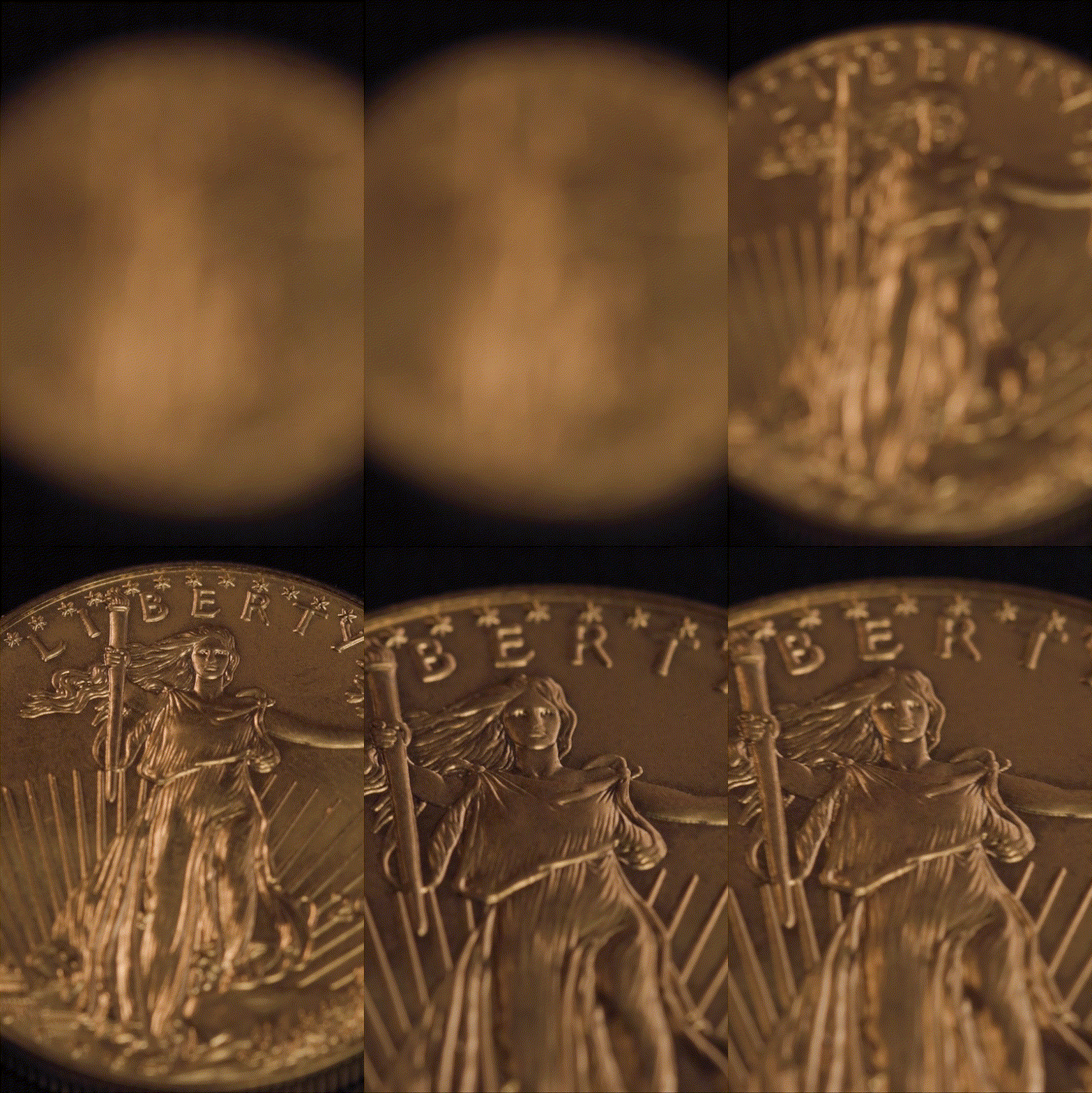
Every year, the United States Mint sells more than $1 billion of investment-grade gold coins. Each is stamped with an icon like the bald eagle, signifying the government’s guarantee, required by law, that the gold is 100 percent American.
But that’s not true. “The Mint is actually the last link in a chain that launders foreign gold, much of it illegally mined,” according to an investigation by Justin Scheck, Simón Posada and Federico Rios:
The Mint buys gold that originates in a Colombian drug cartel mine. It makes Lady Liberty coins out of gold from Mexican and Peruvian pawn shops and from a Congolese mine that is part-owned by the Chinese government, records show. Some Mint gold has come from a company in Honduras that dug up an Indigenous graveyard for the ore underneath.
Guardrails that were meant to prevent human rights abuses in the mining of gold across the globe have collapsed. “As prices climb ever higher,” my colleagues write, “wealthy buyers are actually helping to create the very instability they are trying to hedge against.”
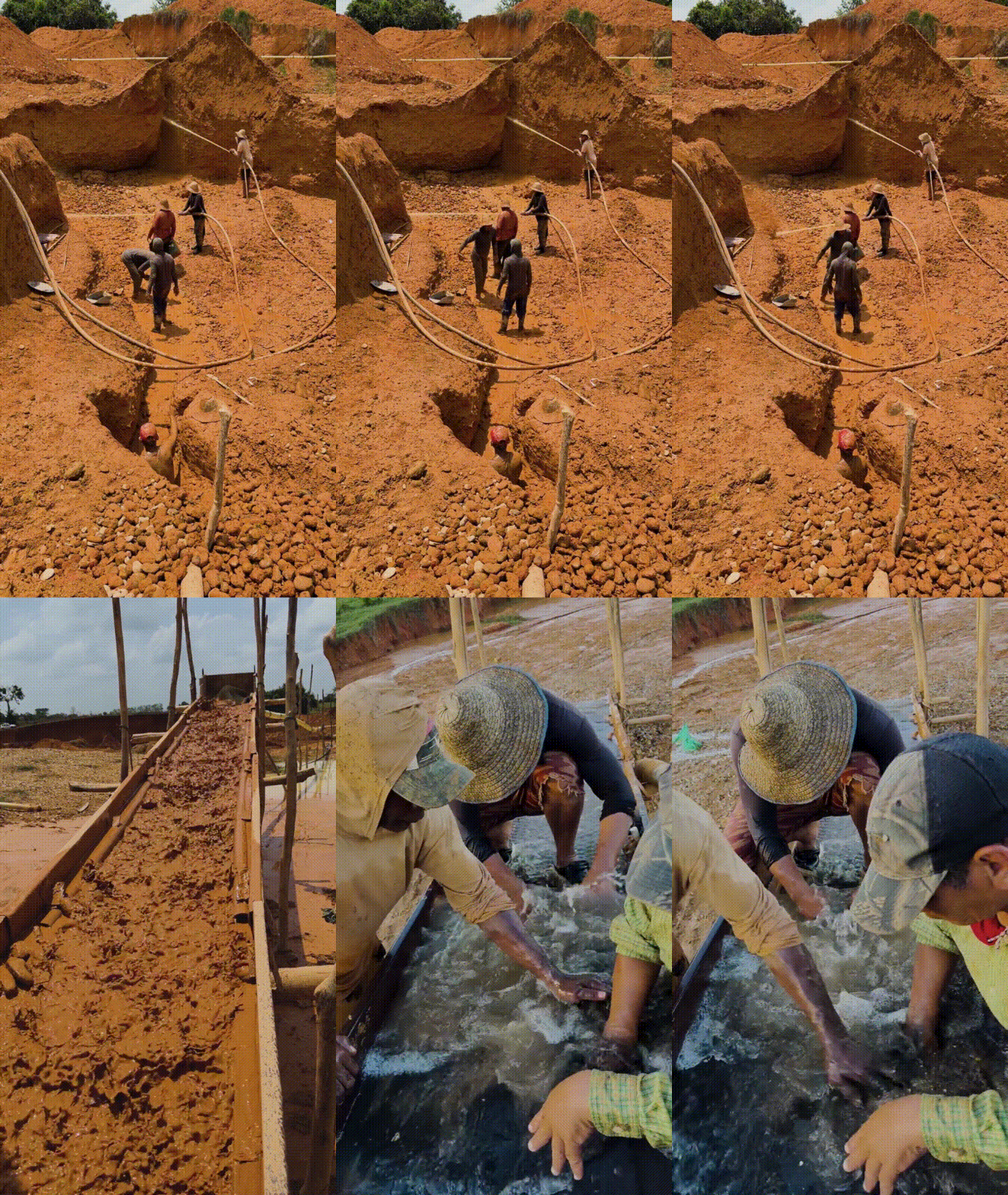
That instability is everywhere, they report. Gold mining funds the brutal civil war in Sudan and helped pay for Russia’s invasion of Ukraine. The high prices have helped both Venezuela and Iran survive financial sanctions. The biggest drug cartel in Colombia, the Clan del Golfo, mines gold and uses the proceeds to maintain its murderous control over swaths of the country. Terrorist groups are getting into the gold business, too.
But for decades the Mint has looked the other way as gold from foreign sources, some unethical or illegal, has entered its plant in West Point, N.Y., to be melted down and made into coins that are legally required to be made of U.S. gold.
All ‘American’
To discover the alchemy that transforms illegally mined gold into American bullion, the reporters traveled to the tropical lowlands of northwestern Colombia, in the heart of Clan del Golfo territory. They visited an illegal mining area controlled by the cartel, part of which was on a military base. And they visited the nearby town of Caucasia, where miners sell what they dig. (For the privilege of mining, selling and buying gold there, everyone involved kicks back money to the cartel.) It’s brutal, dangerous, toxic and illegal work.
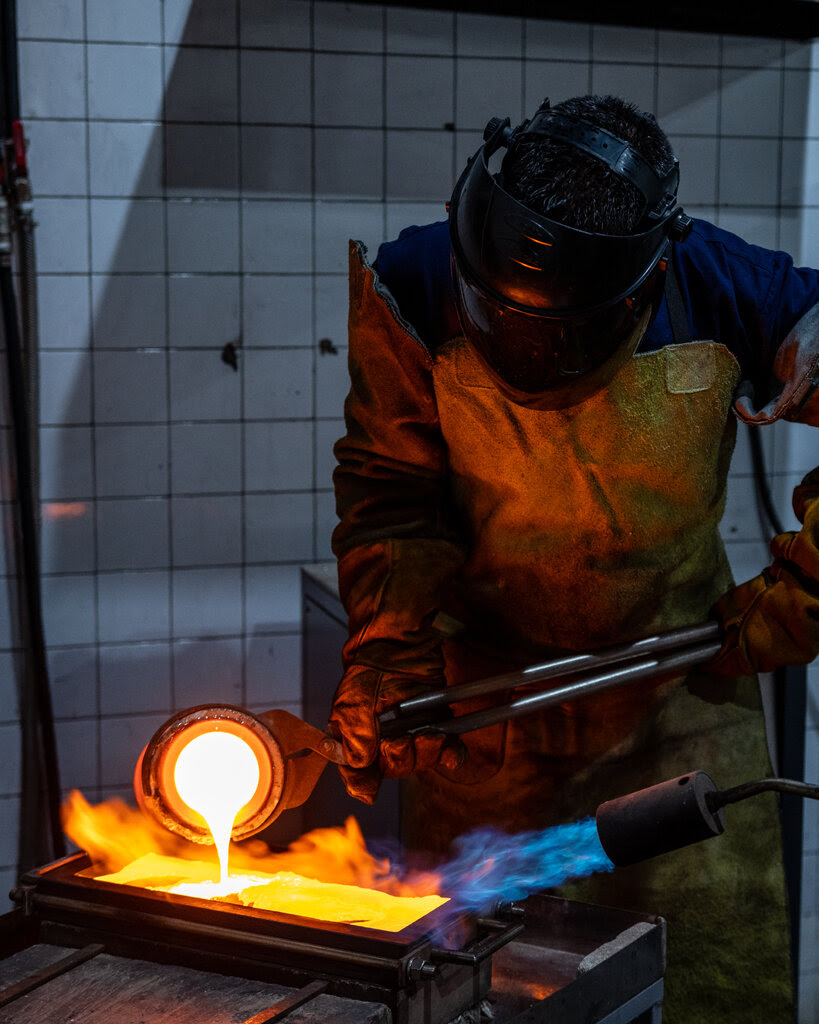
But once the buyers melt down what they’ve bought and have entered the purchases into ledgers — presto, the gold is legal. No one looks beyond the paperwork. Eventually, it comes to a refinery in Texas to mix with molten gold from other suppliers (from foreign mines, American jewelry resellers, Peruvian pawn shops). There, it follows the transitive property of American gold: Whatever its origin, once it enters an American cauldron, the gold industry considers the metal American.
The Treasury Department has known about this problem for years. The issue came up during President Trump’s first administration. It came up again during the Biden presidency and, in 2024, that administration said it was just months away from publishing new plans for investigating gold sources. It never happened.
A Treasury spokeswoman told The Times that the Trump administration is now taking steps to track the Mint’s gold sources. But it, too, has not released a plan.
Read here about what happened after Times reporters found a cartel mine on a military base.