Over the centuries, many countries have used strange and unusual items as mediums of exchange. Driven by isolation or a lack of precious metals, almost anything that was considered valuable was used, from heavy rocks to consumables. Massive stone wheels, tea bricks, salt, whale teeth, and cocoa beans were used at one time or another as forms of currency. Squirrel pelts were popular in medieval Russia and Finland. In North America, beaver pelts and buckskins were heavily traded. In fact, the term “buck” (which is slang for a dollar) originated from buckskins.
The only record of animals as coins was the “Animal Money” used in the Malay Peninsula from the 15 th to the 18 th century. Tin animal money was used as a form of currency believed to have been used by the royal courts. The most common shape was a crocodile, although many other animal designs were used, such as tortoises, fish, roosters, elephants and goats, to name a few.
In a few days, another group of coins in the shape of animals will be offered for sale in the upcoming Sedwick Auction #40, November 5-7. This auction features a group of silver coins that were naturally created through the minting process. Unlike the tin “Animal Money” of the Malay Peninsula, these coins were not deliberately created to mimic an animal. Rather, they just happened to turn out that way. While there are many to choose from, here is a sample of what you will find:
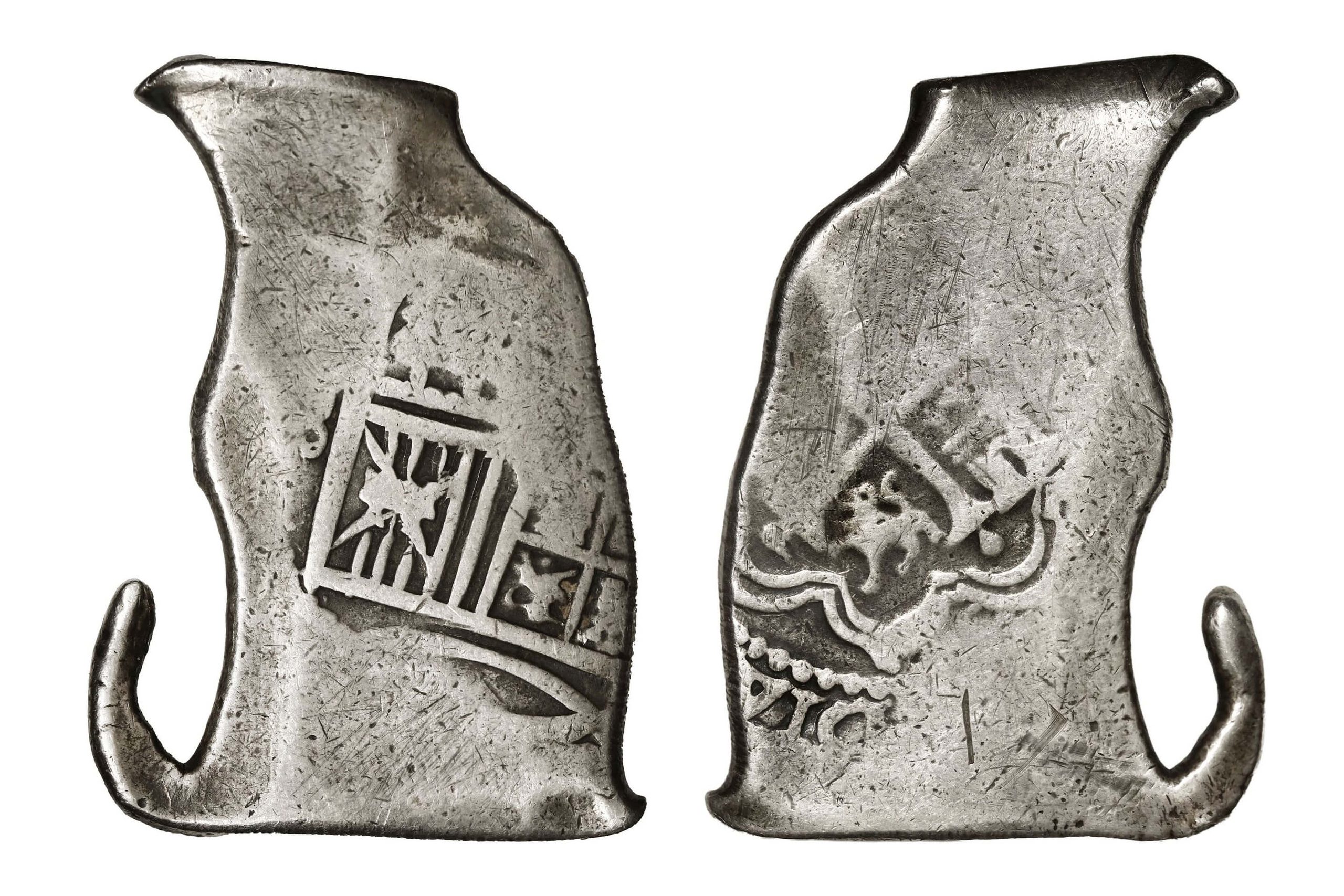
MEXICO, Mexico City, cob 8 reales, Charles II, assayer L, odd shape with long, curved tail protruding from one end.
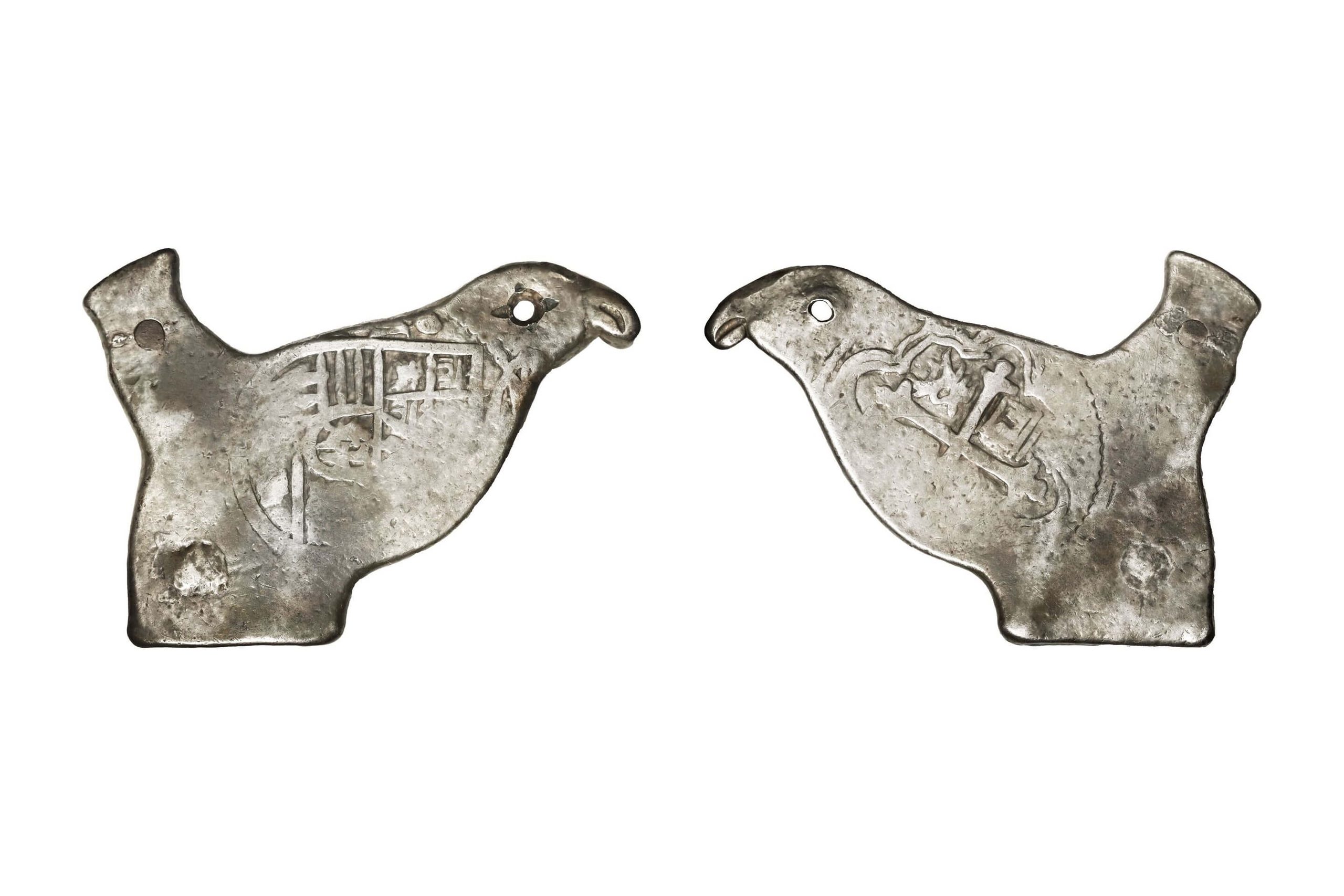
MEXICO, Mexico City, cob 8 reales, Charles II, assayer not visible, profile bird shape with hole for eye.
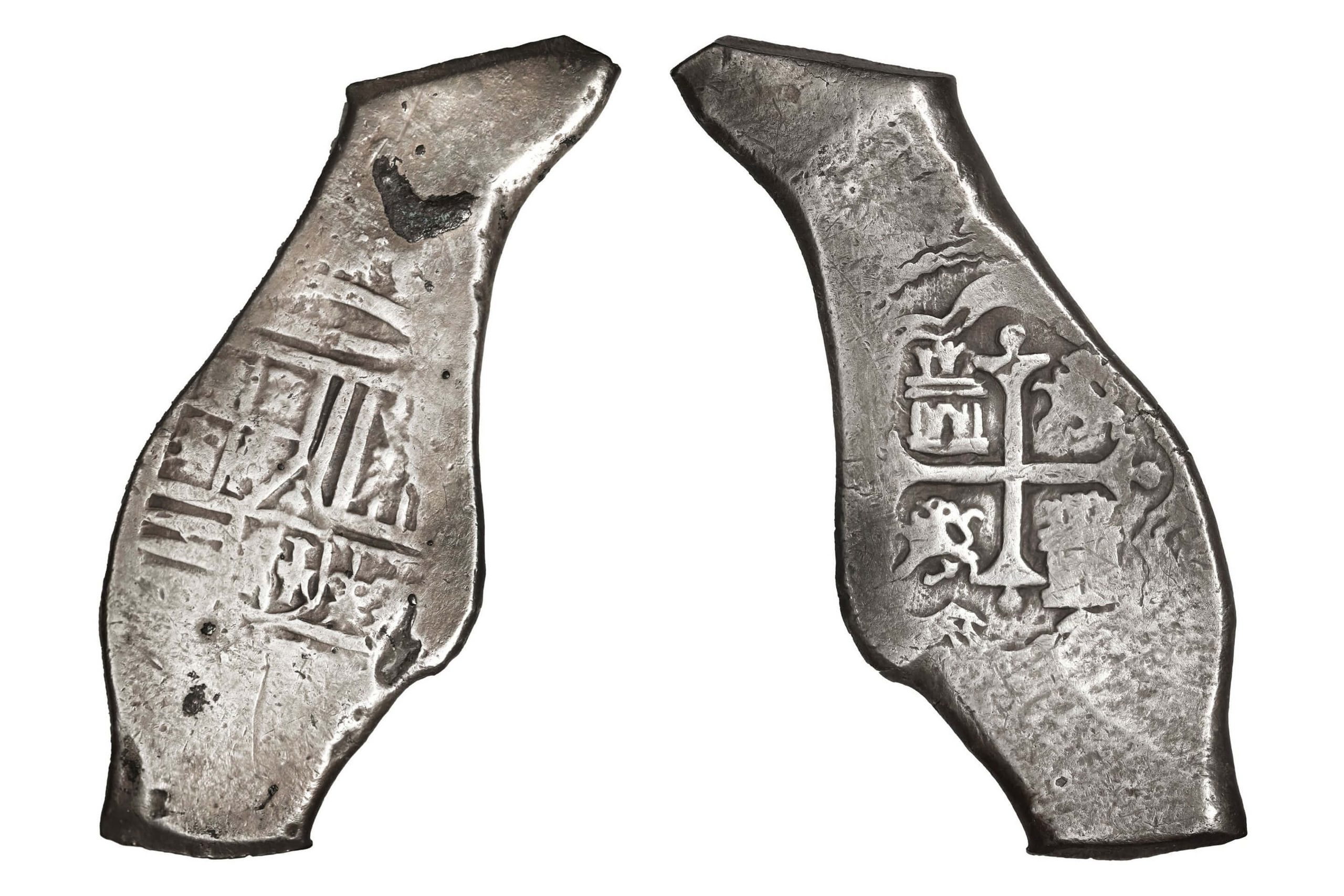
MEXICO, Mexico City, cob 8 reales, Charles II, assayer not visible, long, narrow shape with curved sides.
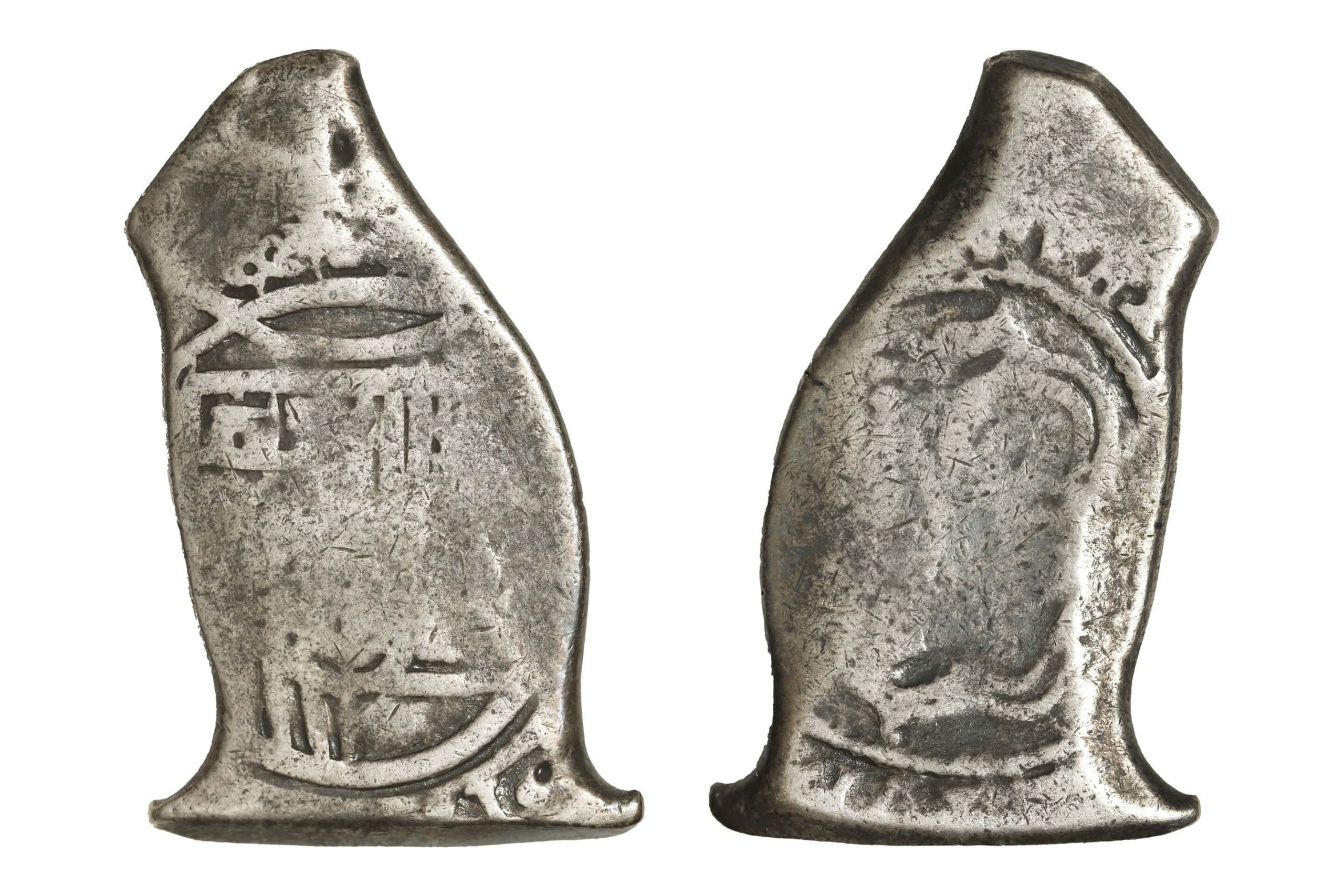
MEXICO, Mexico City, cob 8 reales, Charles II, assayer not visible, odd shape with pointed “feet” on flat base.
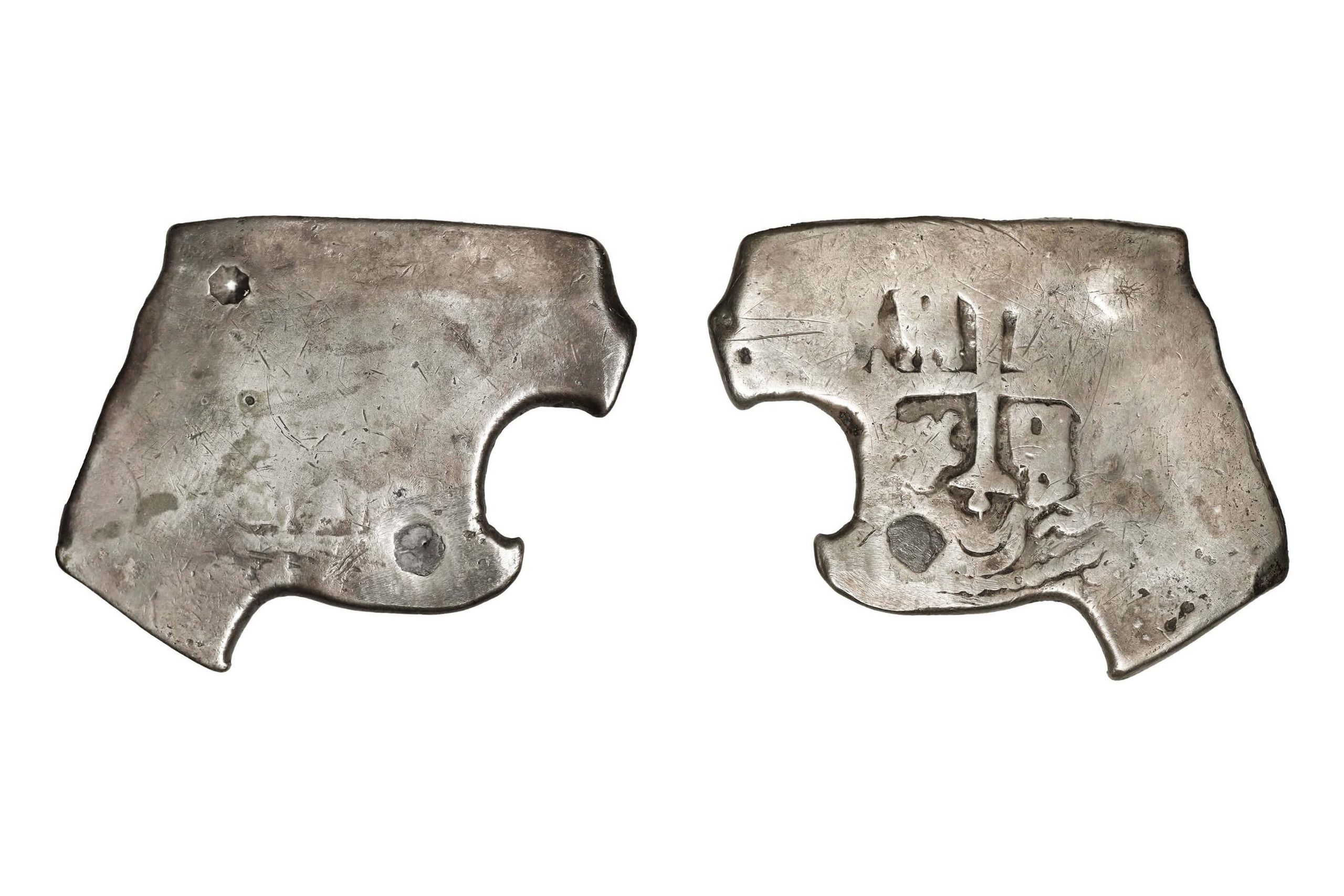
MEXICO, Mexico City, cob 8 reales, Charles II or Philip V, assayer not visible, very odd shape with plugged hole.
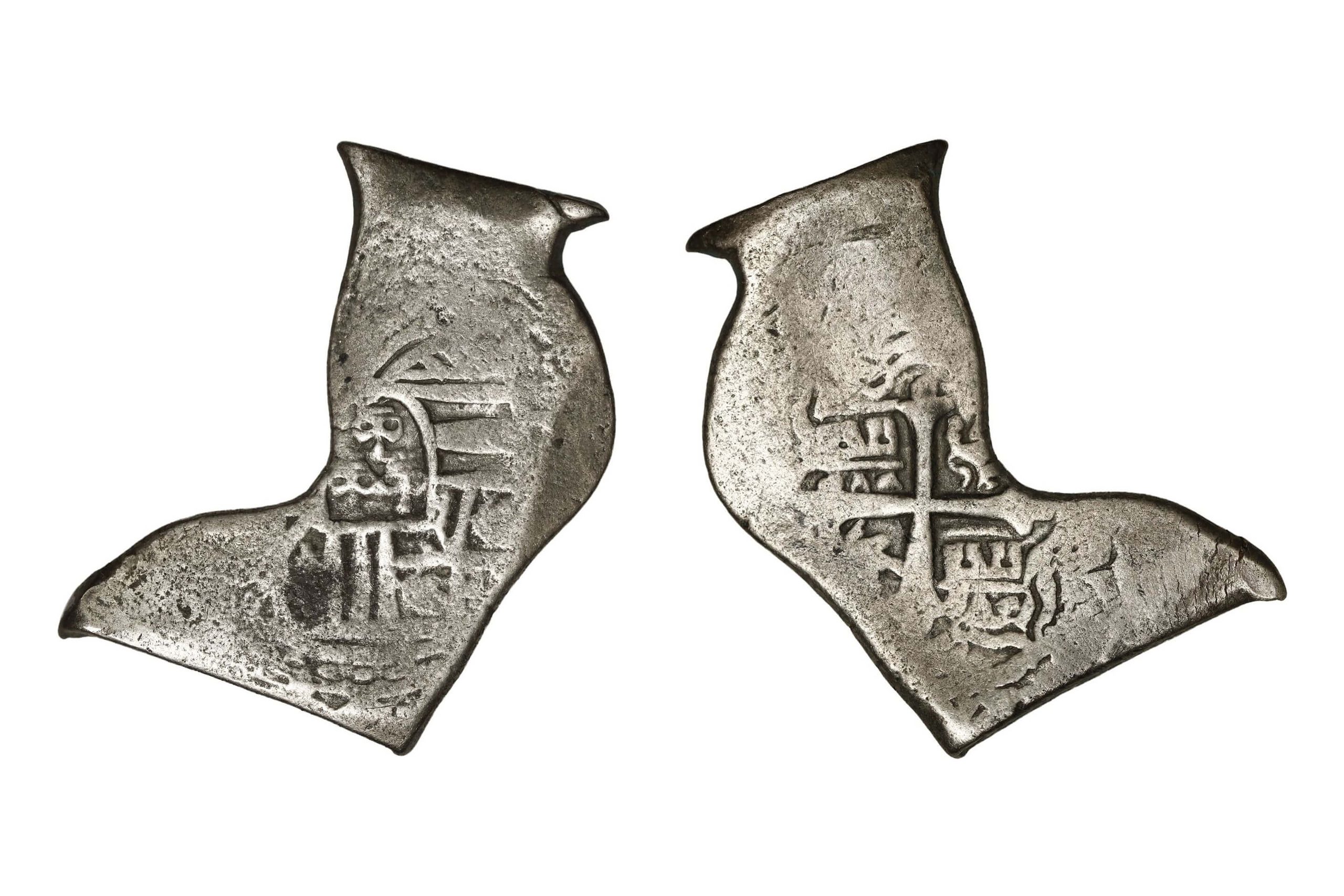
MEXICO, Mexico City, cob 4 reales, Philip V, assayer not visible (J), style of 1705-12, strange curved shape.
These odd-shaped pieces will be offered in Session III, Thursday, November 5, at 6:00 p.m. Good hunting!