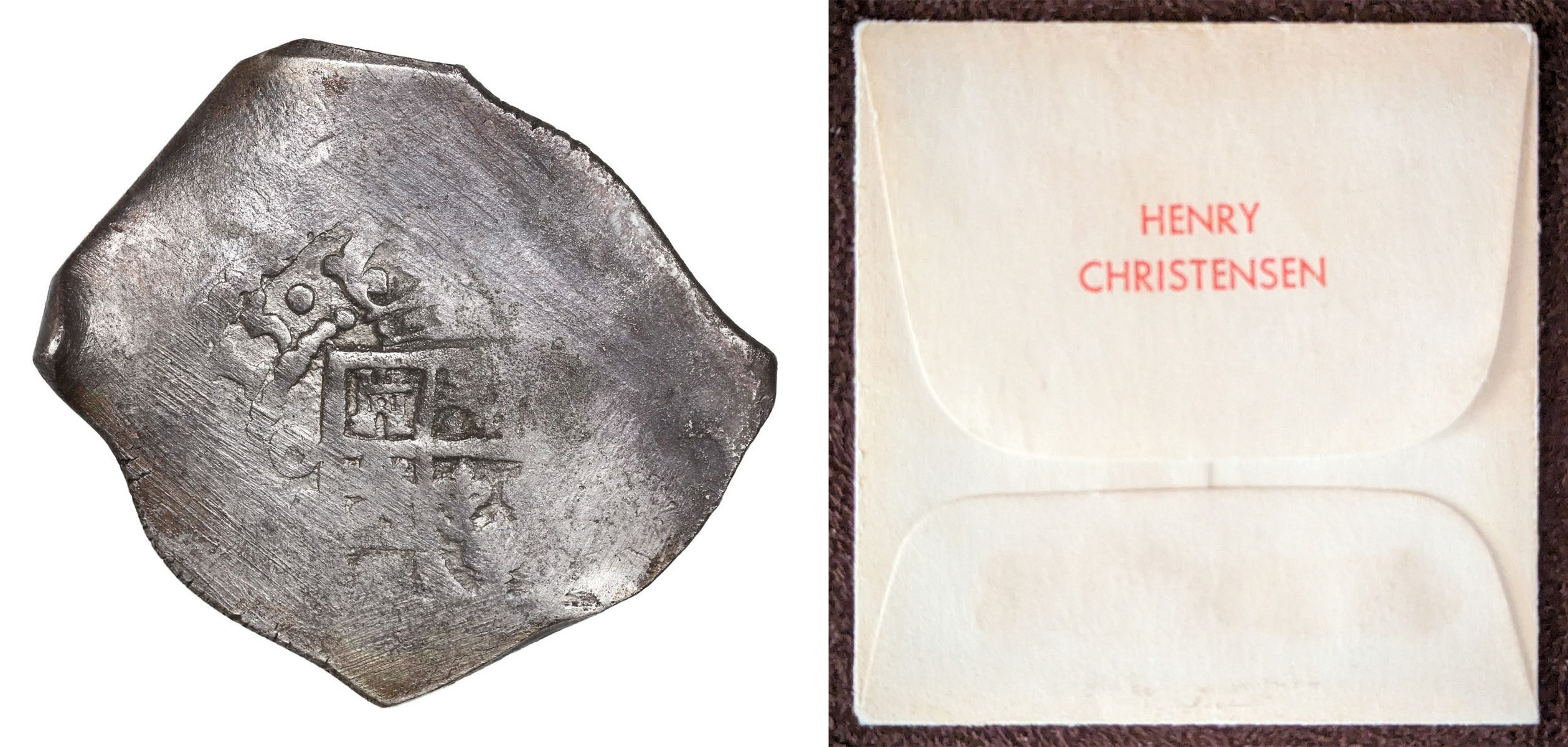
Our Treasure of the Month for June was recently featured as Lot #364 in the Sedwick & Associates, LLC Auction #39 earlier this month. This 25.8 gram silver reale from the Spanish colonial mint at Mexico City has a broad, squarish flan with no corrosion and a bold “15” date.
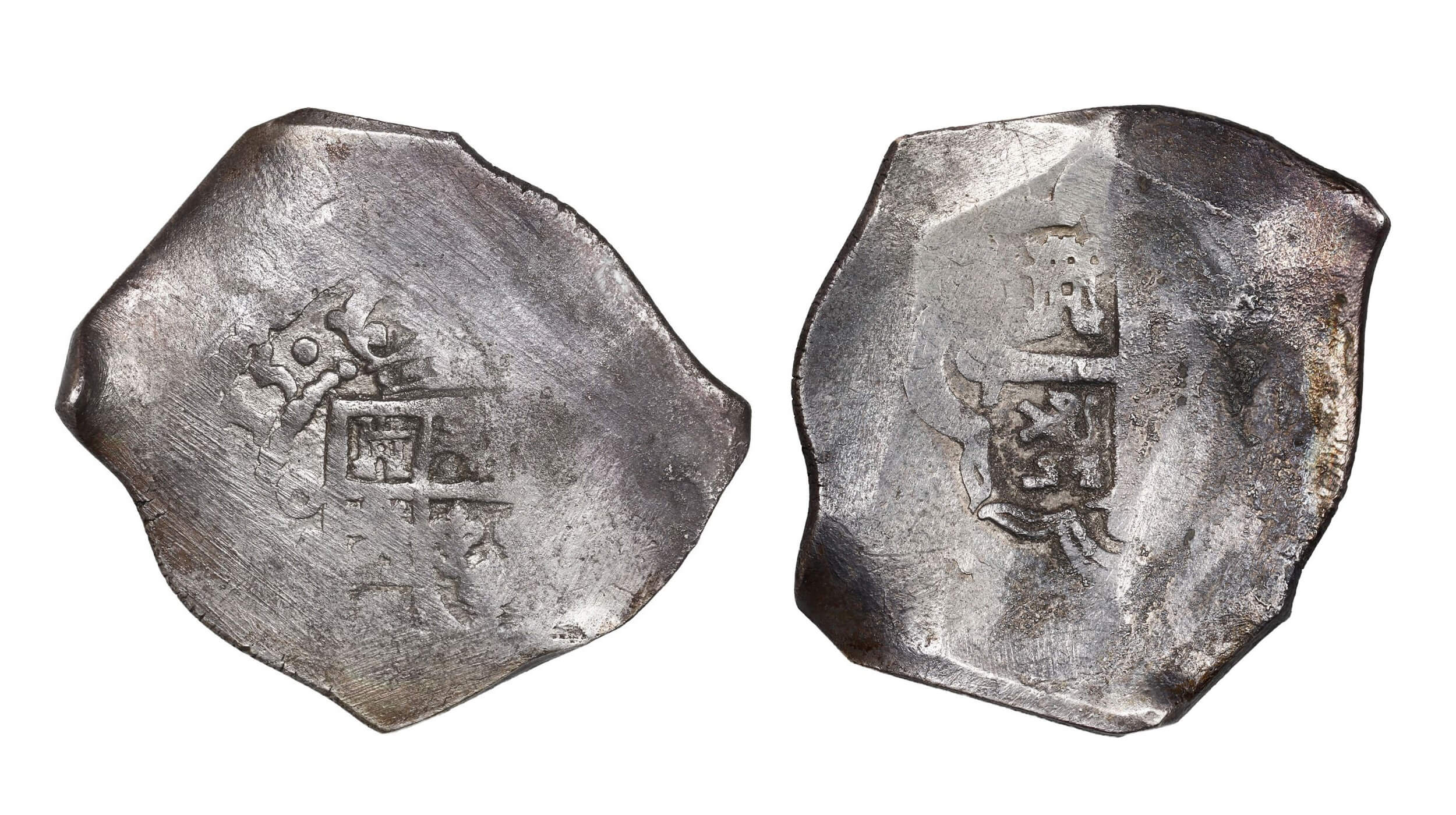
It came to our attention because of its desirable provenance. This coin was sold along with an original Henry Christensen auction envelope. The lot description in the Sedwick auction catalog describes the coin as “linked to the Real Eight finds of the 1960’s.” There were several Christensen auctions during that period, which featured silver coins from the Real Eight CompanyAlso referred to occasionally as “The Real 8 Company”- was incorporated in 1961. It had eight members….Kip Wagner, Kip Kelso, Dan Thompson, Harry Cannon, Lou Ullian, Del Long, Erv Taylor and Lisbon Fu... More. (NOTE: The silver coins referred to in this article are also known as “reales”. This was a unit of currency used in Spain from the mid-14th century until the late 19th century. This coin came in denominations of 8, 4, 2, 1, and half reales.) Interestingly enough, the source of the coins (Real Eight CompanyAlso referred to occasionally as “The Real 8 Company”- was incorporated in 1961. It had eight members….Kip Wagner, Kip Kelso, Dan Thompson, Harry Cannon, Lou Ullian, Del Long, Erv Taylor and Lisbon Fu... More) was never mentioned. More about that later.
If, as the lot description indicates, our Treasure of the Month is one of those early coins, it would be historically beneficial if we could pedigree it to a specific 1960’s Christensen auction. Regrettably, the Henry Christensen auction envelope, which was sold with the coin, does not identify the auction in which this coin was sold. Why is this important? Because pedigree is everything when dealing with 1715 Fleet coins. Pedigree establishes the history of the coin and also adds value. So, we decided to analyze the early Christensen auctions in an effort to establish, if possible, exactly which auction our Treasure of the Month was featured in. We will be focusing on eight reales coins from the Mexico City mint bearing a date of 1715, which coincides with our treasure.
The Real Eight CompanyAlso referred to occasionally as “The Real 8 Company”- was incorporated in 1961. It had eight members….Kip Wagner, Kip Kelso, Dan Thompson, Harry Cannon, Lou Ullian, Del Long, Erv Taylor and Lisbon Fu... More made its first major recovery of silver reales coins in January 1961. This was at a Fleet wreck site located near Sebastian, which the company often referred to as the “Cabin Wreck”. The wreck site was given this name due to its proximity to a small cottage owned by Kip WagnerKip Wagner (1906 – 1972) was instrumental in the formation of the team that later became the Real Eight Company and one of the greatest salvage groups that ever explored the 1715 Fleet wrecks. He was... More, President of the company. It is notable that the vast majority of silver coins from the Cabin wreck were from the Mexico City mint. The Real Eight CompanyAlso referred to occasionally as “The Real 8 Company”- was incorporated in 1961. It had eight members….Kip Wagner, Kip Kelso, Dan Thompson, Harry Cannon, Lou Ullian, Del Long, Erv Taylor and Lisbon Fu... More continued salvaging these coins and, by 1962, had amassed thousands. That was the good news. The bad news was that they had no idea what these coins were worth on the open market. The members of the Real Eight CompanyAlso referred to occasionally as “The Real 8 Company”- was incorporated in 1961. It had eight members….Kip Wagner, Kip Kelso, Dan Thompson, Harry Cannon, Lou Ullian, Del Long, Erv Taylor and Lisbon Fu... More would sell their silver coins to individuals on a limited basis. They would charge what they thought the coins were worth. It is surmised that they wanted to see what their coins would actually sell for at auction. If the auction prices realized were below what the members of the Company were already selling their coins for, it could negatively impact their efforts to sell coins in the future. They had to know what their coins would sell for at auction without being identified as the source. Conversely, if the auction prices were higher, then the company could raise the prices on its individual coin sales.
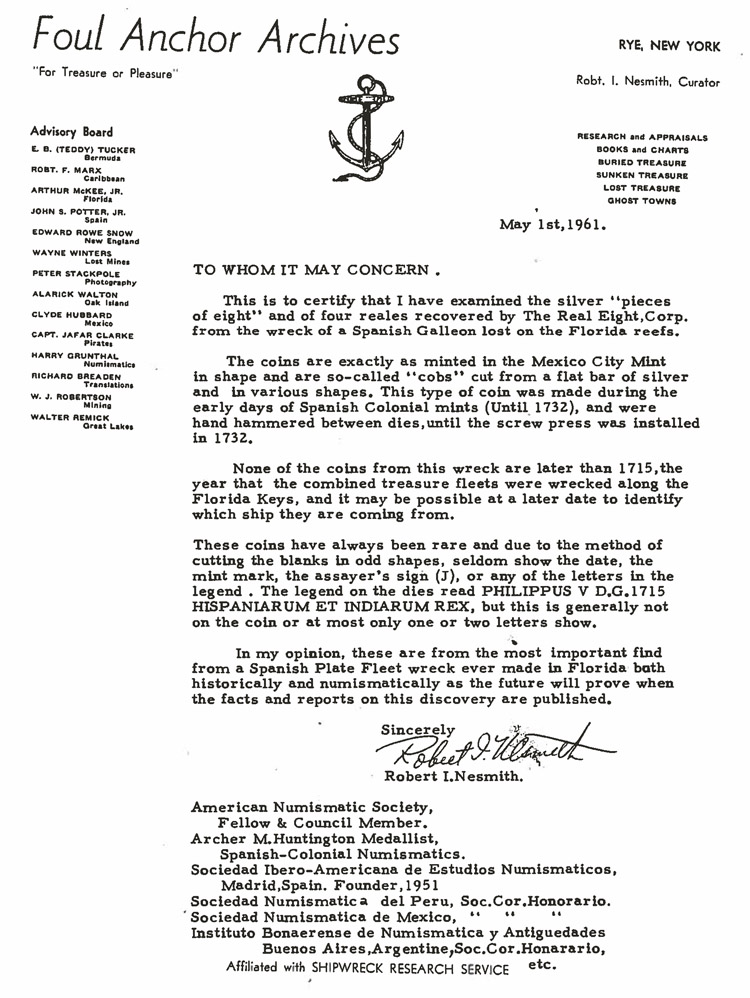
Early on, even before Wagner formed the Real Eight CompanyAlso referred to occasionally as “The Real 8 Company”- was incorporated in 1961. It had eight members….Kip Wagner, Kip Kelso, Dan Thompson, Harry Cannon, Lou Ullian, Del Long, Erv Taylor and Lisbon Fu... More, he had become friends with Robert I. Nesmith, curator of Foul Anchors Archives in Rye, New York, and a man many considered to be America’s foremost authority on early Spanish colonial coins. After the Real Eight had recovered coins at the Cabin Wreck in January 1961. Wagner sent some of those coins to Nesmith for a formal opinion on their rarity and historical significance. Below is the letter that Nesmith prepared and sent to Kip WagnerKip Wagner (1906 – 1972) was instrumental in the formation of the team that later became the Real Eight Company and one of the greatest salvage groups that ever explored the 1715 Fleet wrecks. He was... More on May 1, 1961:
The Real Eight CompanyAlso referred to occasionally as “The Real 8 Company”- was incorporated in 1961. It had eight members….Kip Wagner, Kip Kelso, Dan Thompson, Harry Cannon, Lou Ullian, Del Long, Erv Taylor and Lisbon Fu... More decided to auction its coins using Henry Christensen. Robert Nesmith likely referred Kip WagnerKip Wagner (1906 – 1972) was instrumental in the formation of the team that later became the Real Eight Company and one of the greatest salvage groups that ever explored the 1715 Fleet wrecks. He was... More to Henry Christensen, who was a friend of Nesmith’s. It was decided that the Real Eight CompanyAlso referred to occasionally as “The Real 8 Company”- was incorporated in 1961. It had eight members….Kip Wagner, Kip Kelso, Dan Thompson, Harry Cannon, Lou Ullian, Del Long, Erv Taylor and Lisbon Fu... More would consign a few coins for auction in order to get an idea of the value of the coins they had found. However, it was agreed that while the coins would be identified as coming from the 1715 Fleet, the source was to remain anonymous for reasons previously stated.
On May 12, 1962, an auction took place in New York. Six Mexico City silver coins (reales) were listed for sale. They consisted of one 1712 dated eight reales, three 1715 dated eight reales, and two 1715 dated four reales. Of the three 1715 dated reales (Lots #283, #284, and #285), only one is plated (or, in plain language, pictured in the auction catalog) as Lot #283.
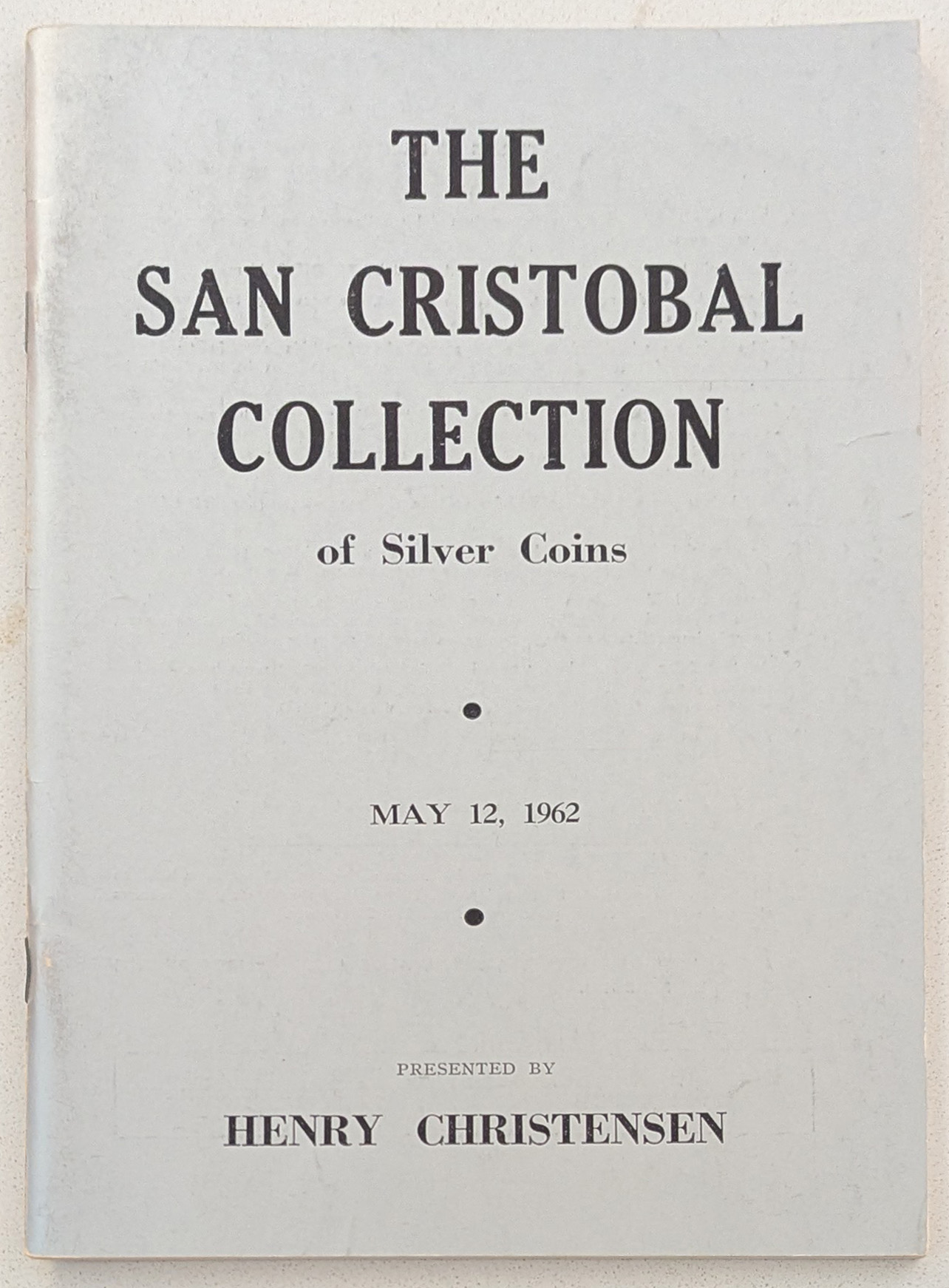
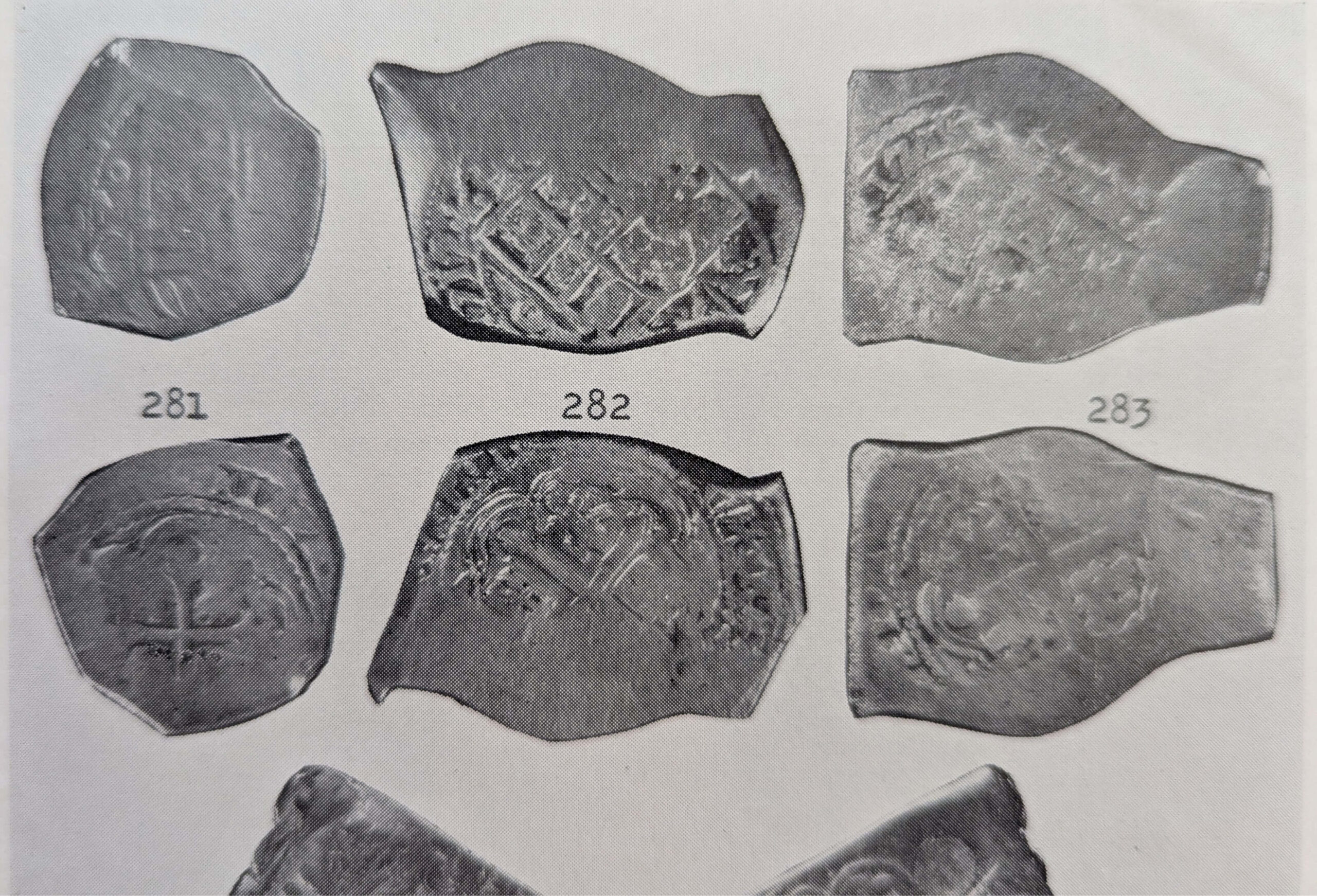
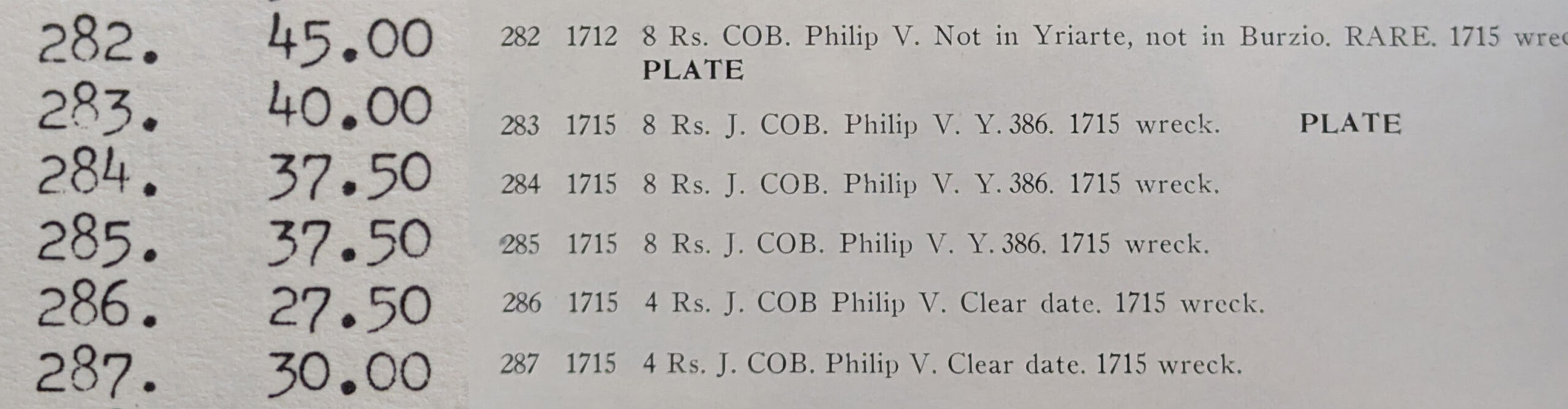
As can be seen by the prices realized, the members of the Real Eight CompanyAlso referred to occasionally as “The Real 8 Company”- was incorporated in 1961. It had eight members….Kip Wagner, Kip Kelso, Dan Thompson, Harry Cannon, Lou Ullian, Del Long, Erv Taylor and Lisbon Fu... More were not particularly pleased with the results of this auction, as they were selling their coins for more than the auction proceeds.
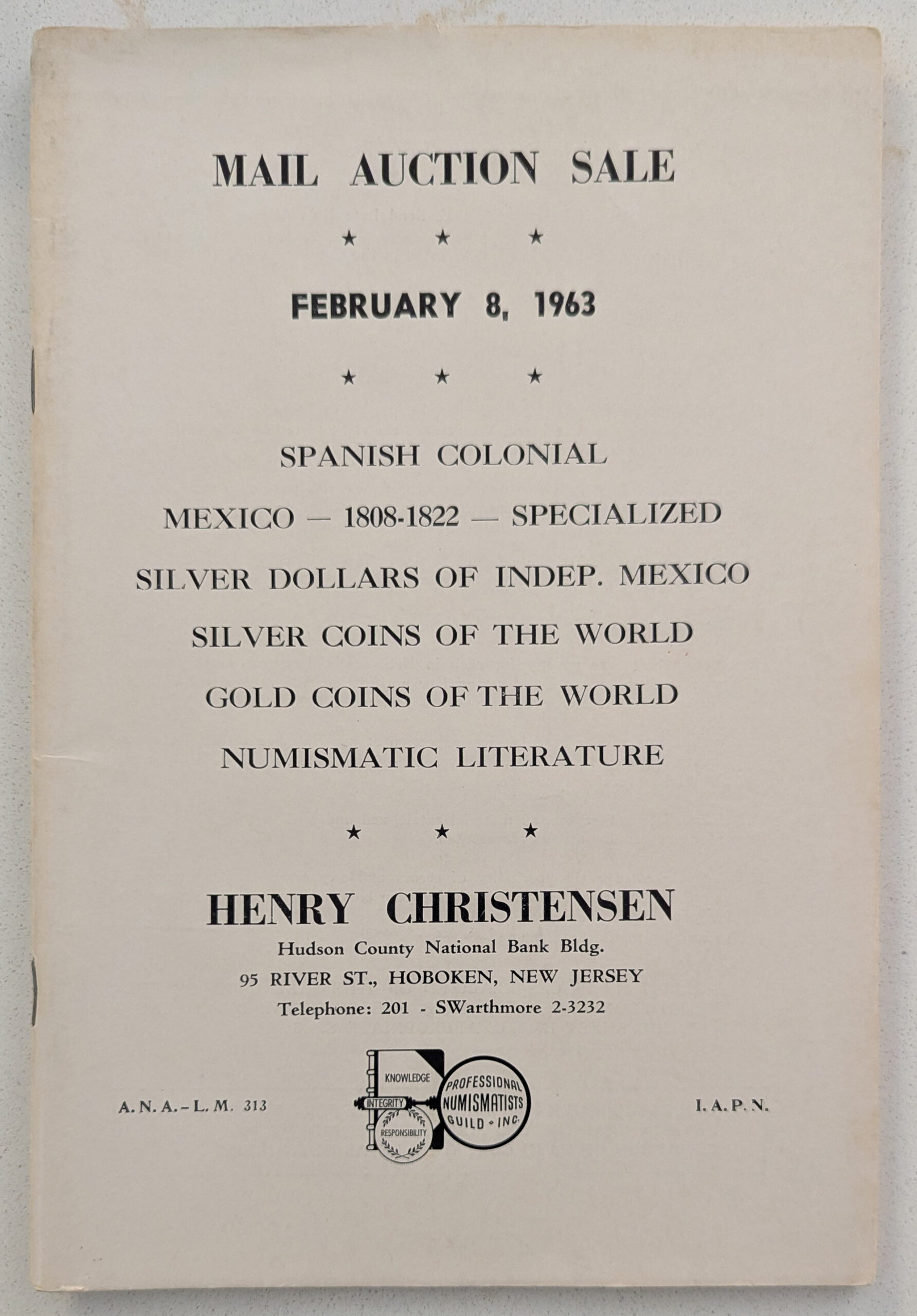
Nine months later, there was a second Christensen auction on February 8, 1963. We know that this sale contained coins found by the Real Eight CompanyAlso referred to occasionally as “The Real 8 Company”- was incorporated in 1961. It had eight members….Kip Wagner, Kip Kelso, Dan Thompson, Harry Cannon, Lou Ullian, Del Long, Erv Taylor and Lisbon Fu... More because of a letter dated January 16, 1963, from Kip WagnerKip Wagner (1906 – 1972) was instrumental in the formation of the team that later became the Real Eight Company and one of the greatest salvage groups that ever explored the 1715 Fleet wrecks. He was... More to “Bob”, who is likely Robert I. Nesmith.
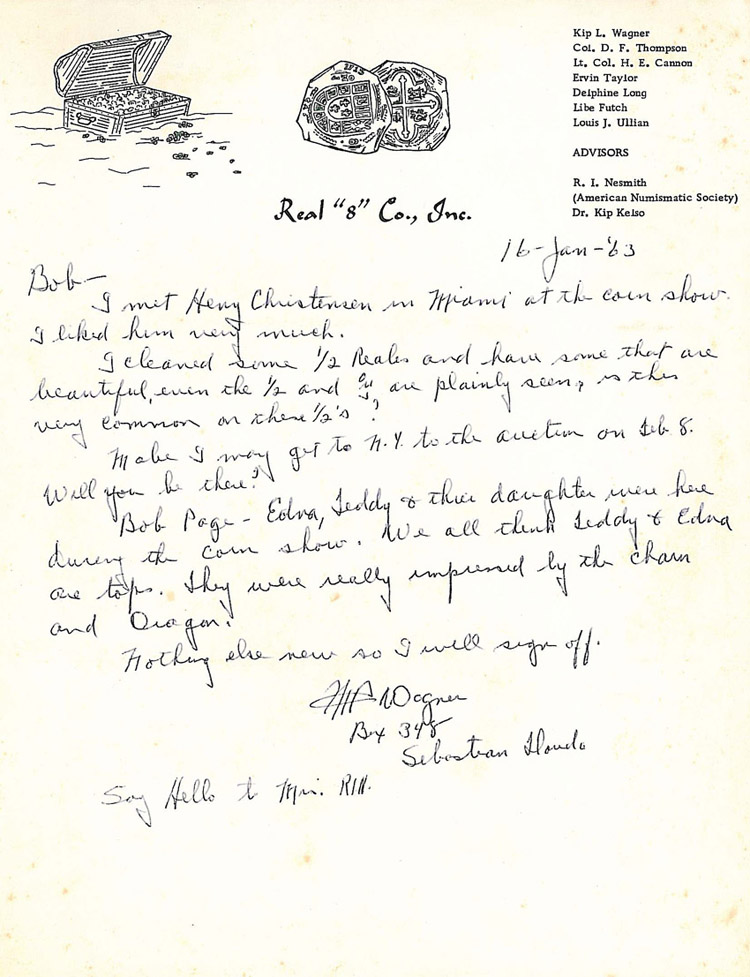
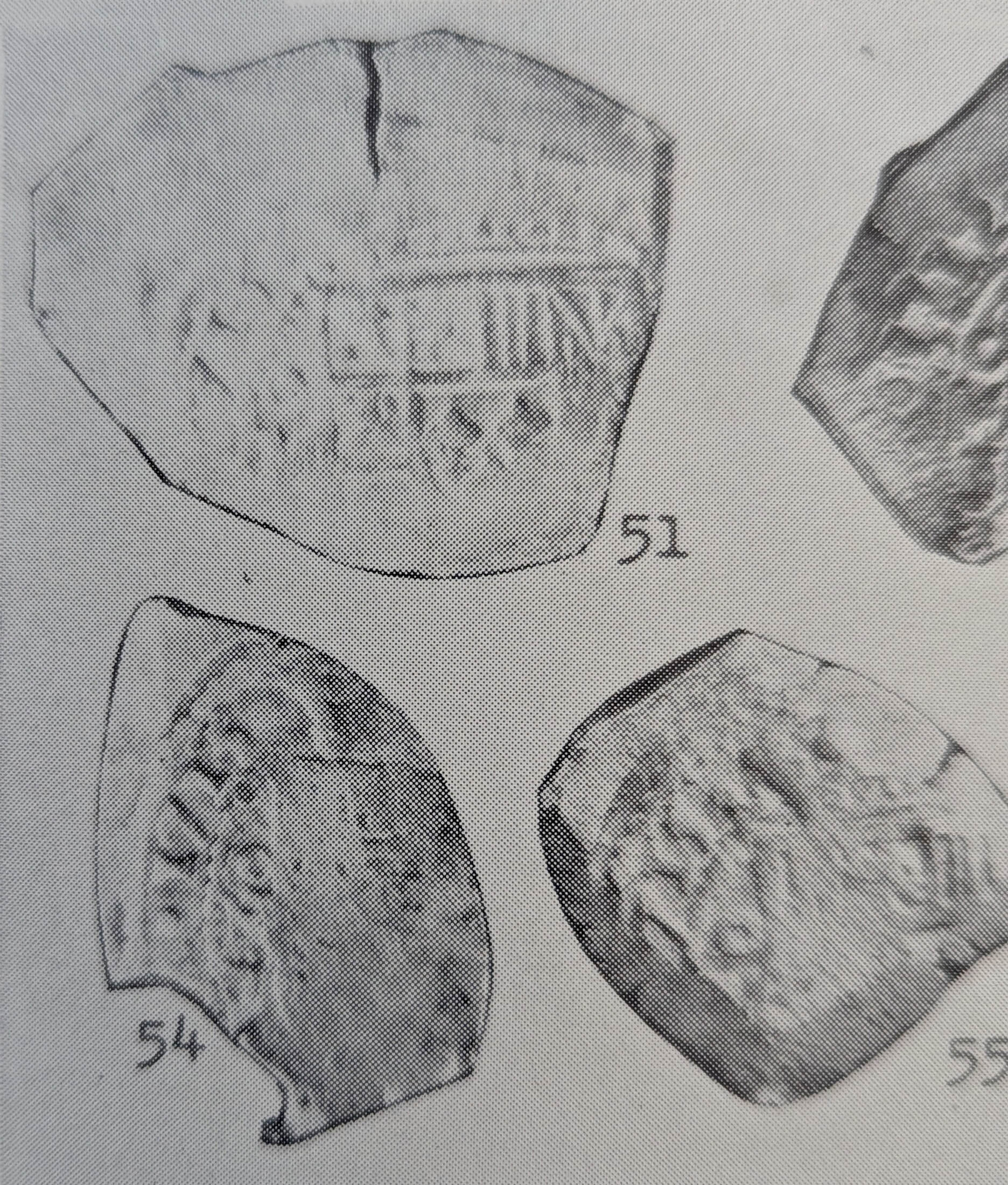
In the letter, Wagner references Henry Christensen and talks of an auction on February 8, 1963. A review of the auction catalog reveals that the Real Eight CompanyAlso referred to occasionally as “The Real 8 Company”- was incorporated in 1961. It had eight members….Kip Wagner, Kip Kelso, Dan Thompson, Harry Cannon, Lou Ullian, Del Long, Erv Taylor and Lisbon Fu... More consigned 13 Mexico City coins and, we surmise, a group of Potosi coins as well. None of these coins was attributed to the 1715 Fleet or the Real Eight CompanyAlso referred to occasionally as “The Real 8 Company”- was incorporated in 1961. It had eight members….Kip Wagner, Kip Kelso, Dan Thompson, Harry Cannon, Lou Ullian, Del Long, Erv Taylor and Lisbon Fu... More. But, from Wagner’s letter, no other conclusion can be reached. It is obvious where these coins came from. It is also noteworthy that there was only one 1715 dated Mexico City eight reales (Lot #51) listed in this auction. It was also plated.
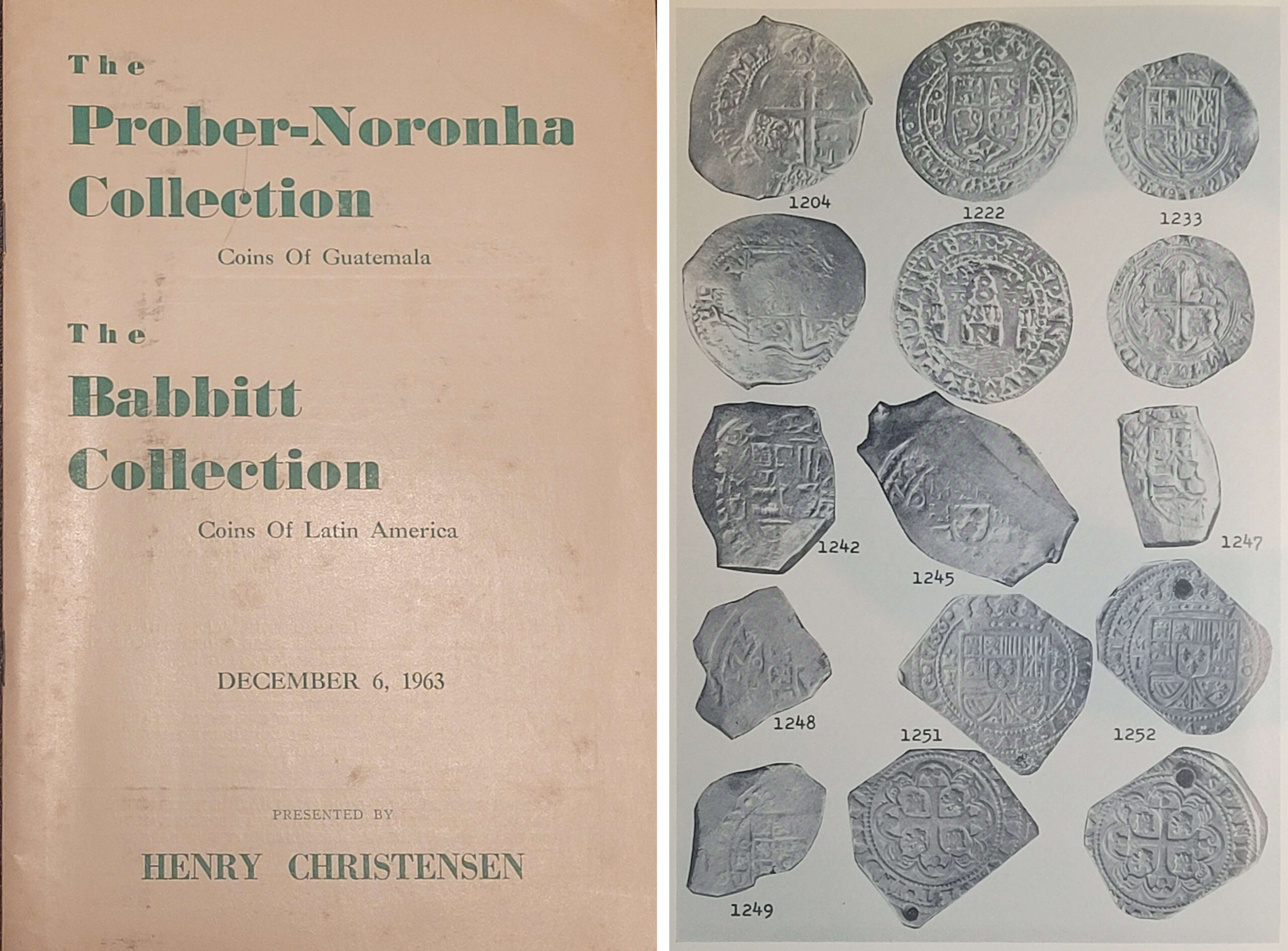
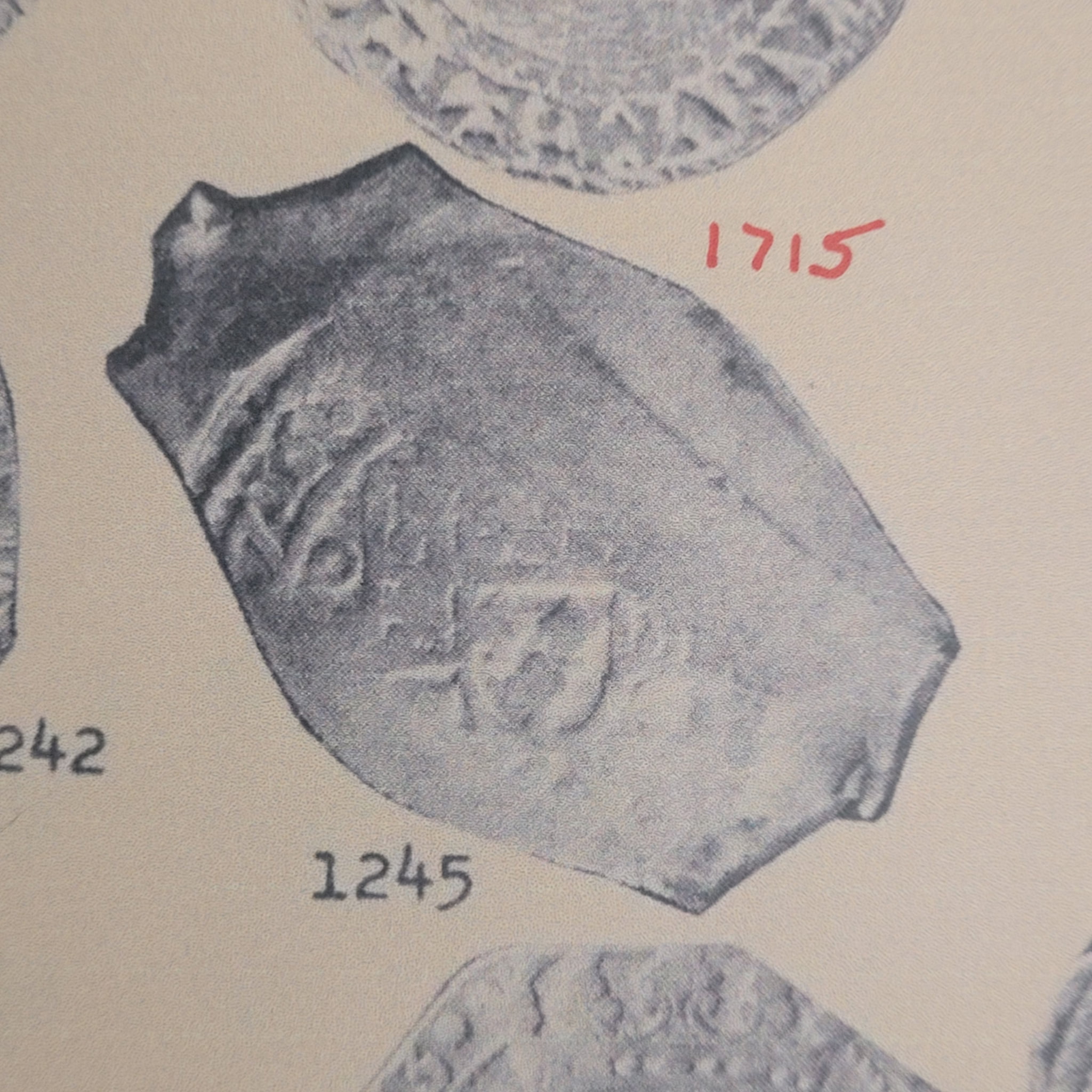
The next Christensen auction featuring Fleet coins was on December 6, 1963. There were only a few Mexico City reales offered at that time. (See Below). Specifically, a 1715 dated eight reales from the Mexico City mint (Lot #1245), which was plated. These were obviously Fleet coins found by the Real Eight CompanyAlso referred to occasionally as “The Real 8 Company”- was incorporated in 1961. It had eight members….Kip Wagner, Kip Kelso, Dan Thompson, Harry Cannon, Lou Ullian, Del Long, Erv Taylor and Lisbon Fu... More without any mention of their source.
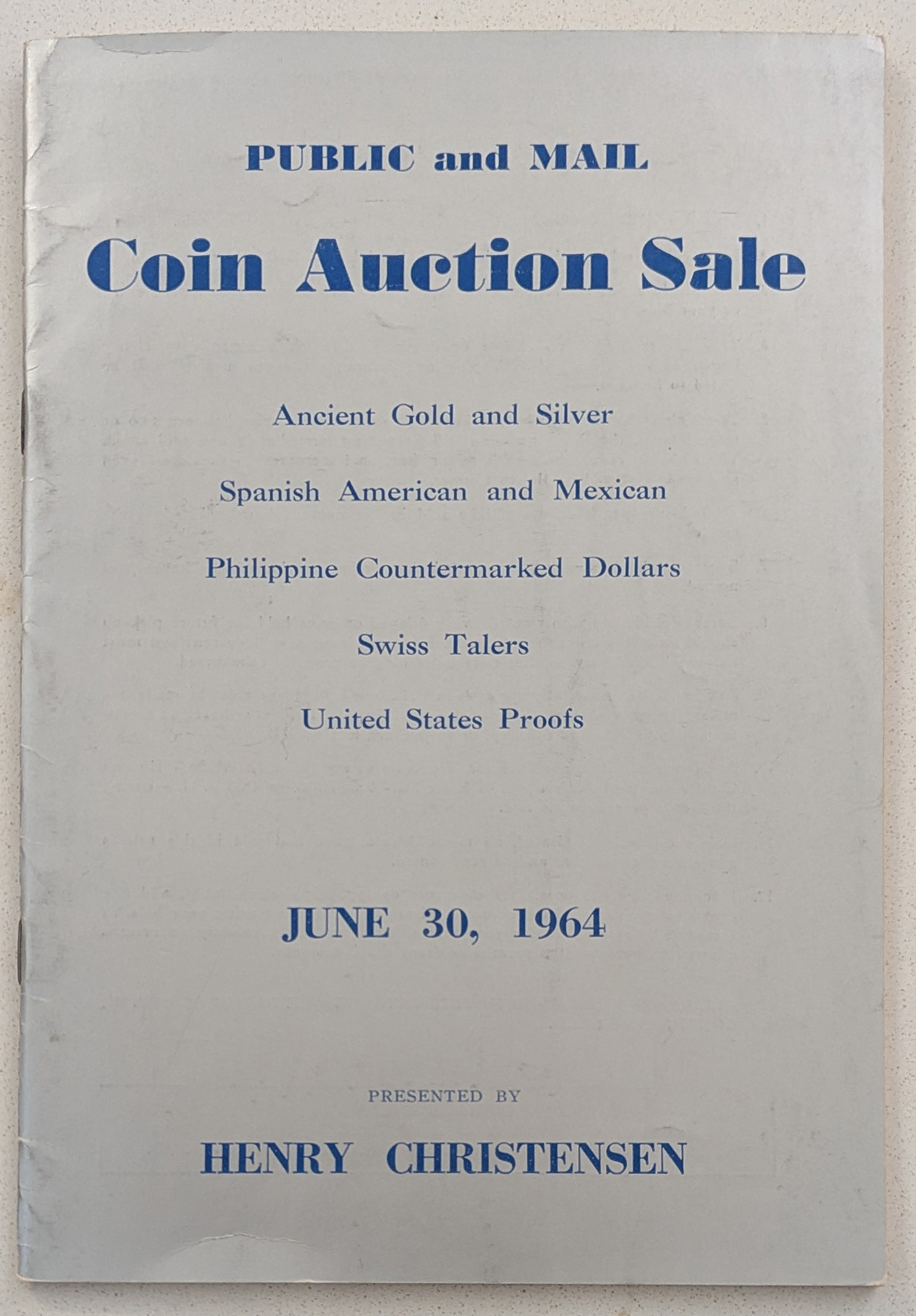
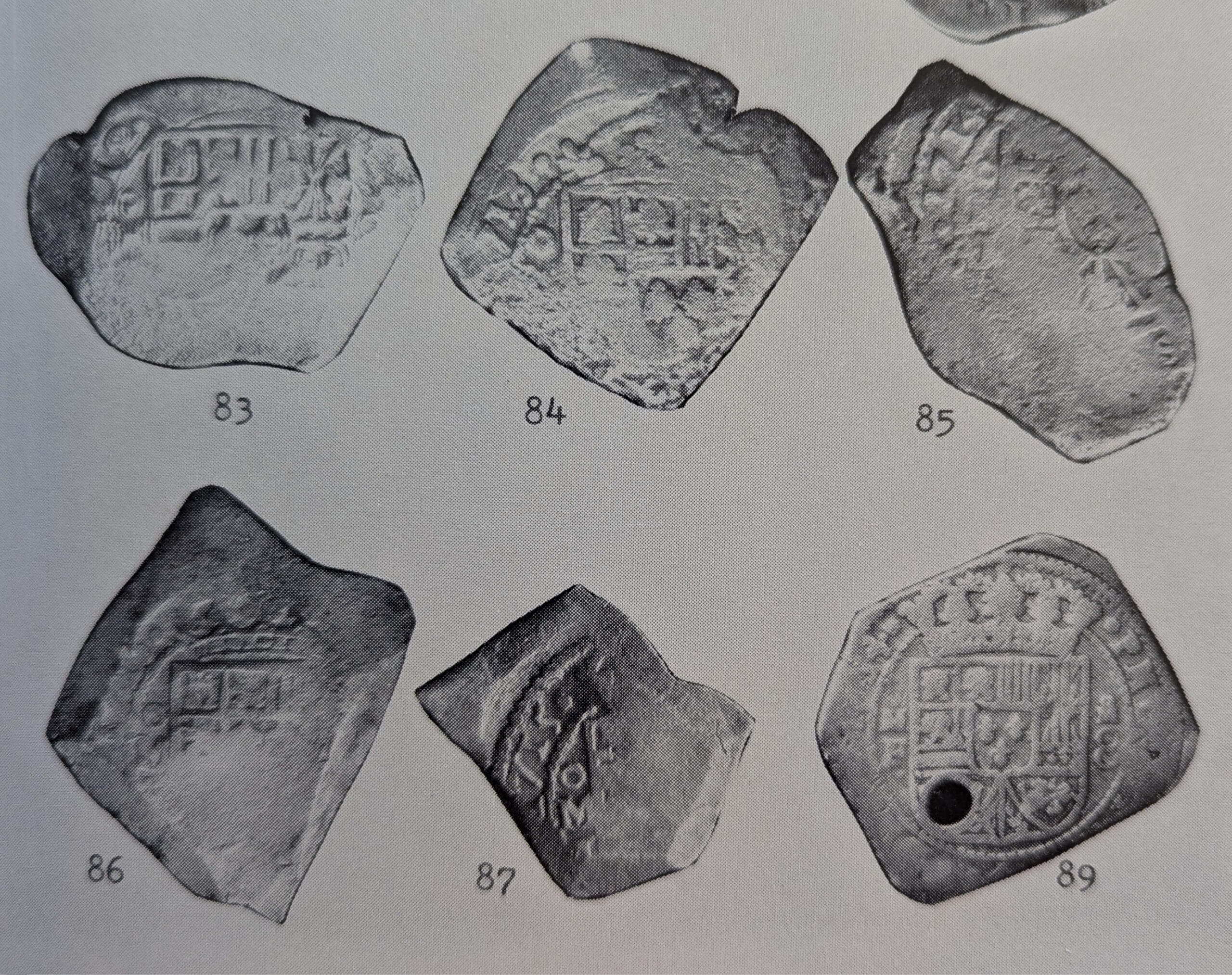
A fourth Christensen auction was held on June 30, 1964. Again, no mention of the 1715 Fleet or the Real Eight CompanyAlso referred to occasionally as “The Real 8 Company”- was incorporated in 1961. It had eight members….Kip Wagner, Kip Kelso, Dan Thompson, Harry Cannon, Lou Ullian, Del Long, Erv Taylor and Lisbon Fu... More. There were only five Mexico City silver reales in this auction (Lots #83 – #87), including one 1715 eight reales (Lot #86). It was also a plated coin. It should also be noted that the prices for these coins showed a considerable increase from those sold in May 1962. (See Below). This auction is also notable because it marked the first time that the Real Eight CompanyAlso referred to occasionally as “The Real 8 Company”- was incorporated in 1961. It had eight members….Kip Wagner, Kip Kelso, Dan Thompson, Harry Cannon, Lou Ullian, Del Long, Erv Taylor and Lisbon Fu... More offered gold coins for sale. Interestingly, all of the gold coins sold for under the auction estimates!

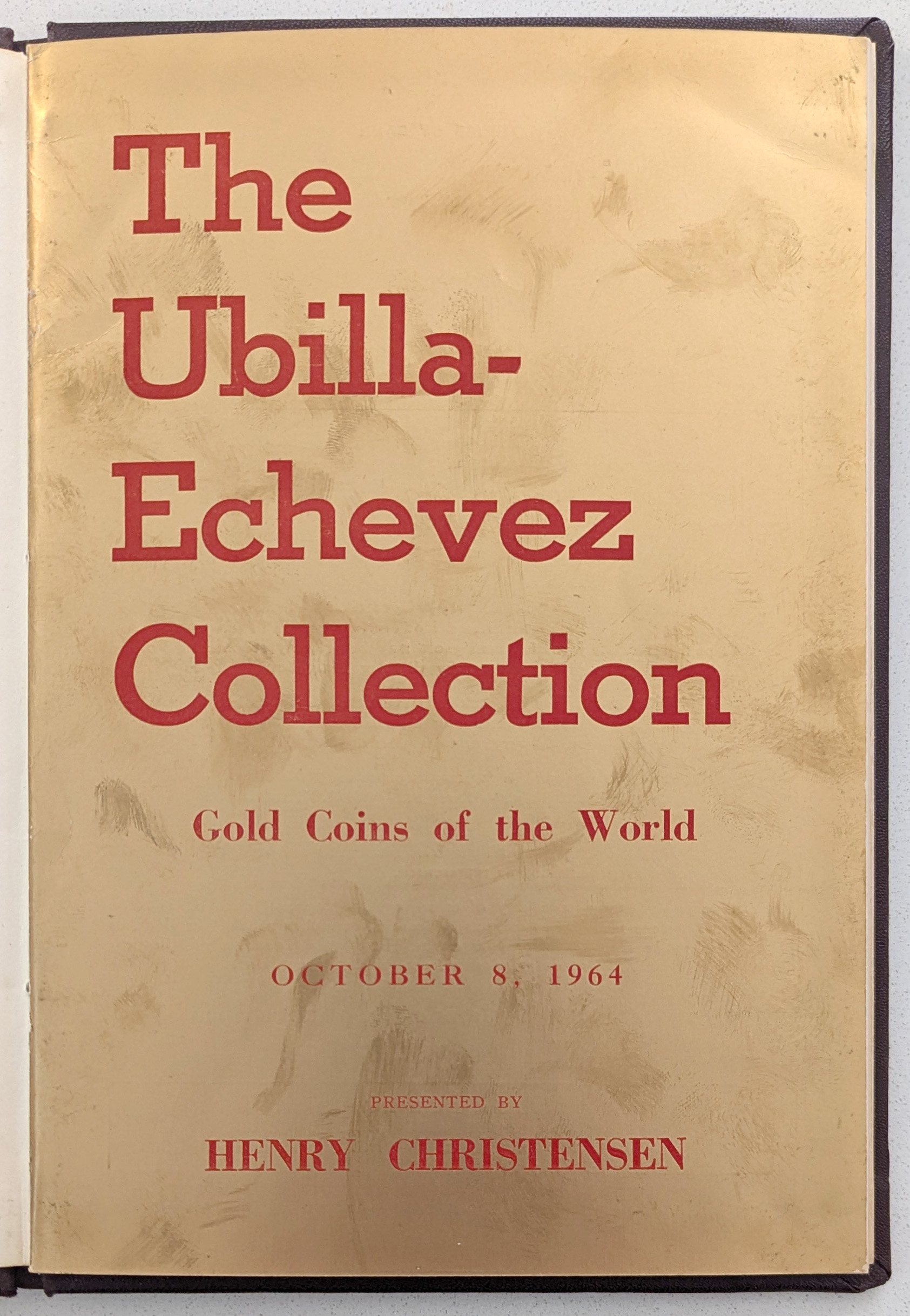
A final Christensen auction of Real Eight CompanyAlso referred to occasionally as “The Real 8 Company”- was incorporated in 1961. It had eight members….Kip Wagner, Kip Kelso, Dan Thompson, Harry Cannon, Lou Ullian, Del Long, Erv Taylor and Lisbon Fu... More Fleet coins was held on October 8, 1964, in Hoboken, New Jersey. This was, however, a very special sale. One hundred eighty-five gold coins were offered for sale. All Fleet-related, all from the Real Eight CompanyAlso referred to occasionally as “The Real 8 Company”- was incorporated in 1961. It had eight members….Kip Wagner, Kip Kelso, Dan Thompson, Harry Cannon, Lou Ullian, Del Long, Erv Taylor and Lisbon Fu... More. Once again, no mention of the Real Eight CompanyAlso referred to occasionally as “The Real 8 Company”- was incorporated in 1961. It had eight members….Kip Wagner, Kip Kelso, Dan Thompson, Harry Cannon, Lou Ullian, Del Long, Erv Taylor and Lisbon Fu... More was made. However, to ensure that all potential buyers knew the source of the coins (1715 Fleet), they named the auction “The Ubilla-Echevez Collection”. Why? Because General Don Juan Esteban de Ubilla commanded the New Spain Armada and General Don Antonio de Echevez y Zubiza commanded the Terra Firma Armada, which, when combined, formed the 1715 Fleet. Therefore, the Fleet provenance was confirmed.
As previously stated, the purpose of this review was to try to establish precisely which Christensen auction our featured treasure was associated with. So, with that said, what did our analysis here reveal?
There is very strong circumstantial evidence that our treasure of the Month was one of three 1715 dated eight reales from the first Christensen auction in 1962. We came to this conclusion based on the fact that there were, according to our research, four Christensen auctions in the 1960’s featuring silver coins from the Real Eight CompanyAlso referred to occasionally as “The Real 8 Company”- was incorporated in 1961. It had eight members….Kip Wagner, Kip Kelso, Dan Thompson, Harry Cannon, Lou Ullian, Del Long, Erv Taylor and Lisbon Fu... More: May 1962, February 1963, December 1963, and June 1964. There were a total of six 1715 dated eight reales offered in these four auctions. Four of these coins were plated, with the exception of two coins, Lots #284 and #285, from the first auction in May 1962.
The recent Sedwick’s Auction in May 2025 offered three coins with Christensen auction envelopes for sale, specifically Lots #362, #363, and #364. So, it would seem likely that two of these three coins were from the 1962 auction. But this does not fit our analysis. Since there were only six 1715 dated coins sold during this period, a fact established by our research, with four plated, that leaves only two coins left. According to the Sedwick Auction, there were three, all described as “linked to the Real Eight finds of the 1960s.” Where did the extra coin come from? This anomaly demonstrates the difficulty in establishing pedigrees. The numbers sometimes do not add up.
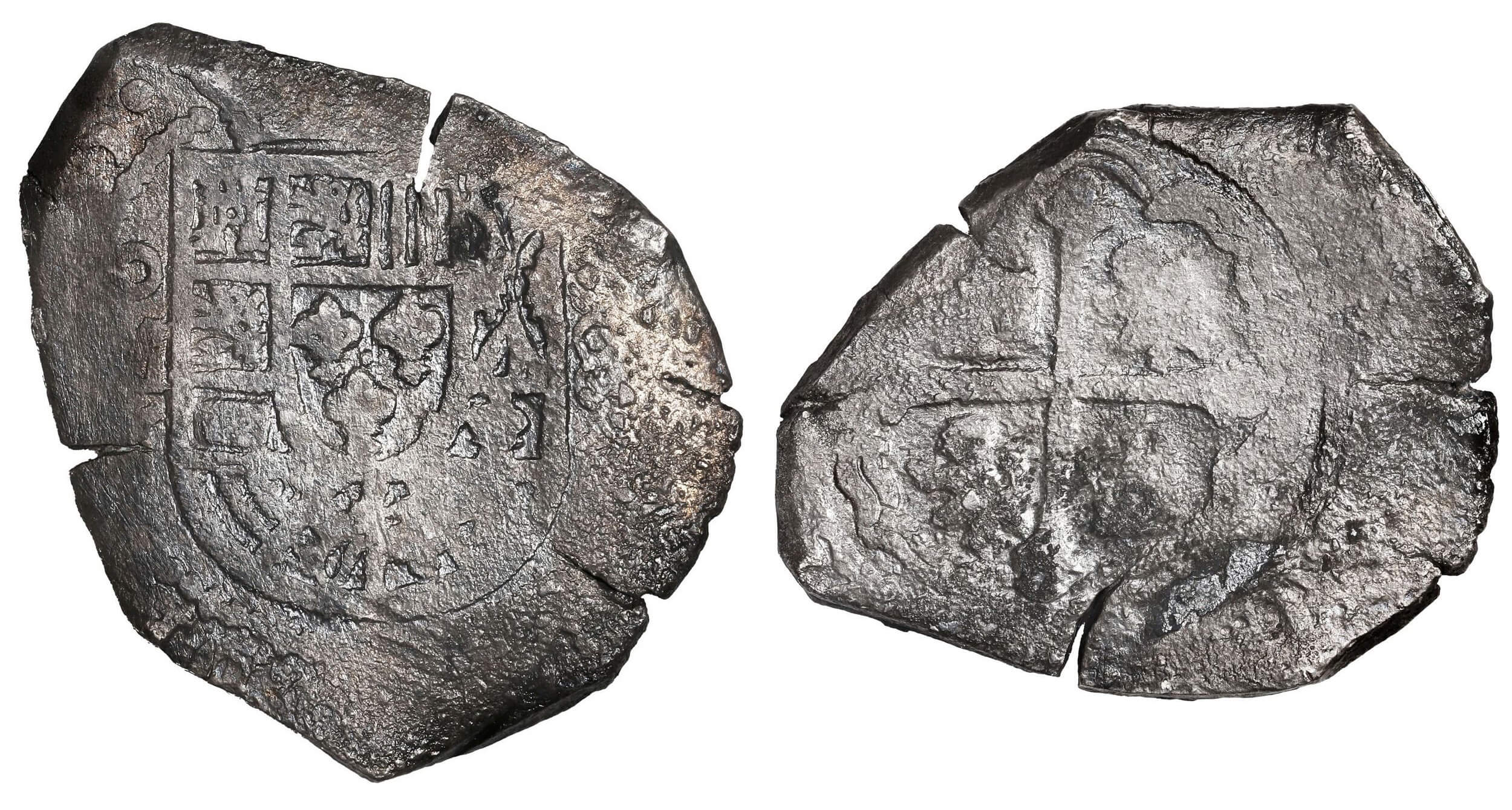
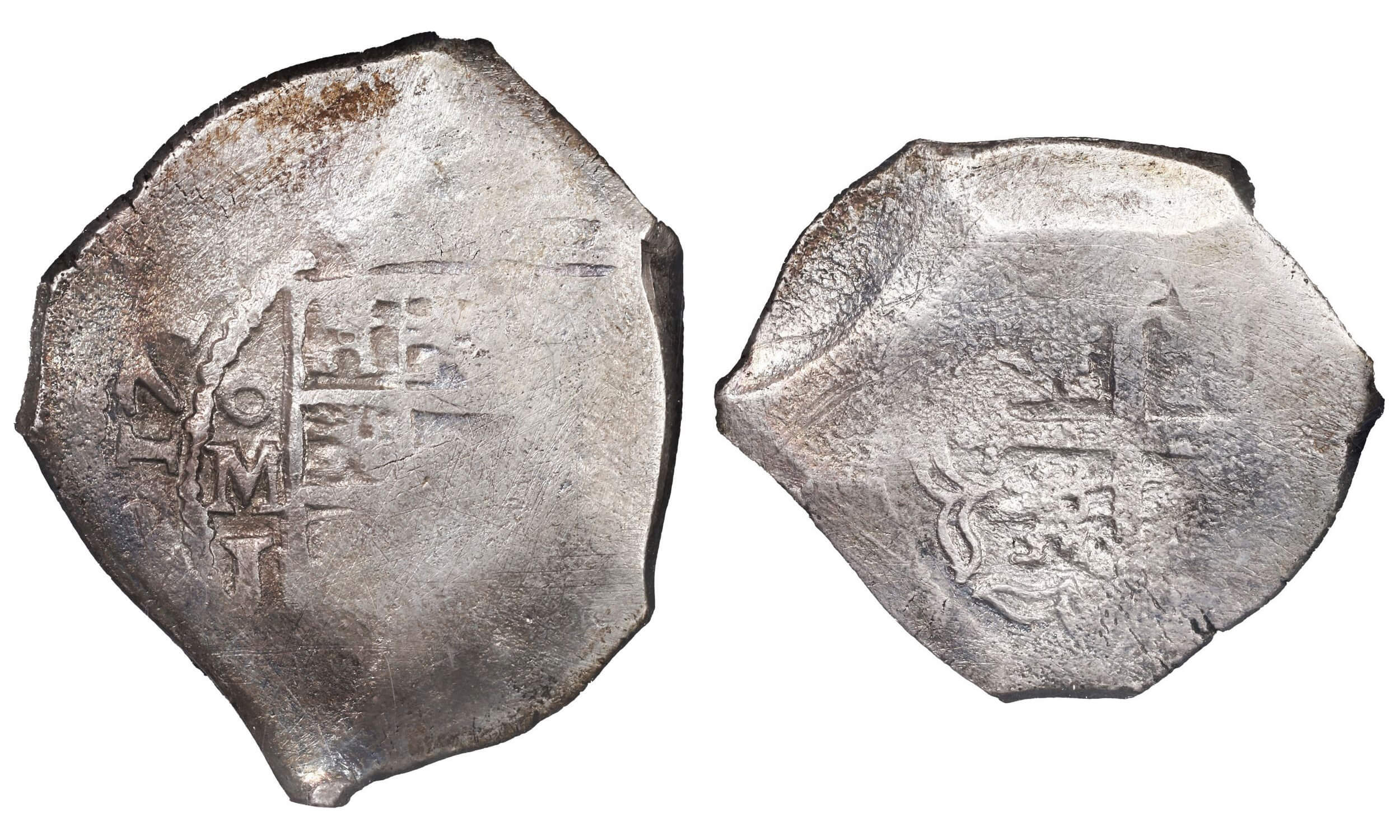
However, there is a possible explanation. It can be found in a previous Treasure of the Month we posted in September 2020. The featured treasure there was another coin from the May 1962 Christensen auction, Lot #282, a 1712 dated eight reales. This lot has a significant history of its own, which was discussed in our 2020 post. Also discussed was the fact that another coin, a 1715 dated eight reales that was not part of the auction itself, was sold at the same time, but privately. Decidedly, that coin is NOT any of the three from the recent Sedwick auction, but it does present an interesting question. Were there more coins that were not part of the auction sold privately at the May 1962 sale? If so, that could account for the extra coin mentioned above.
We cannot, at this time, confirm precisely where our Treasure of the Month for June fits in. However, so far, the evidence indicates that it is from a Christensen auction, most likely May 1962. It will take more research to confirm our hypothesis. So, we will continue investigating and report our findings in a future post.
For more history regarding the May 12, 1962, Christensen auction, see our Treasure of the Month for September 2020. Also see our Treasure of the Month for September 2013, which features another 1715-dated eight reales from a famous auction, the October 1965 French’s sale.
Special thanks to Frank Noga (Member #1) and Charlie Winn, our Advisory Board Pedigree Specialist (Member # 136), for their help in providing background information and images used in this text.